

5–6 min read
Periodontitis is not a trivial “gum discomfort.” It is a chronic inflammatory disease that, if it progresses, can destroy the support of the teeth and affect your quality of life. In addition, scientific literature indicates an
Periodontitis is a chronic gum infection associated with a higher neurological risk: up to 2.8× in ischemic stroke and 1.7× in Alzheimer’s (SEPA–SEN report). At Clínica Bajo (Los Cristianos, Tenerife), we diagnose and treat it with advanced technology and more than 30 years of experience.
What is periodontitis?
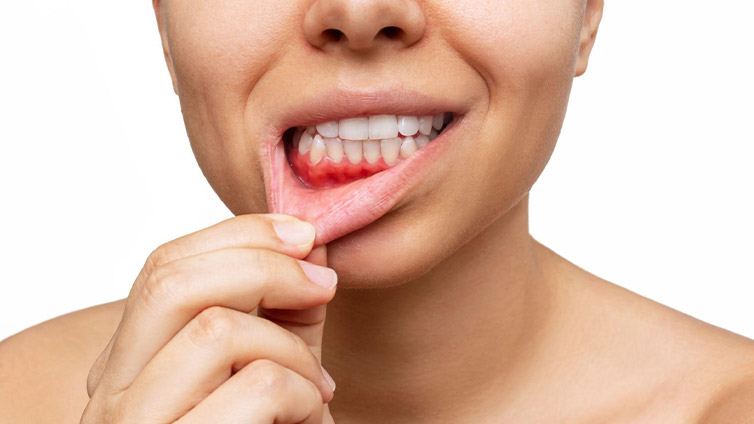
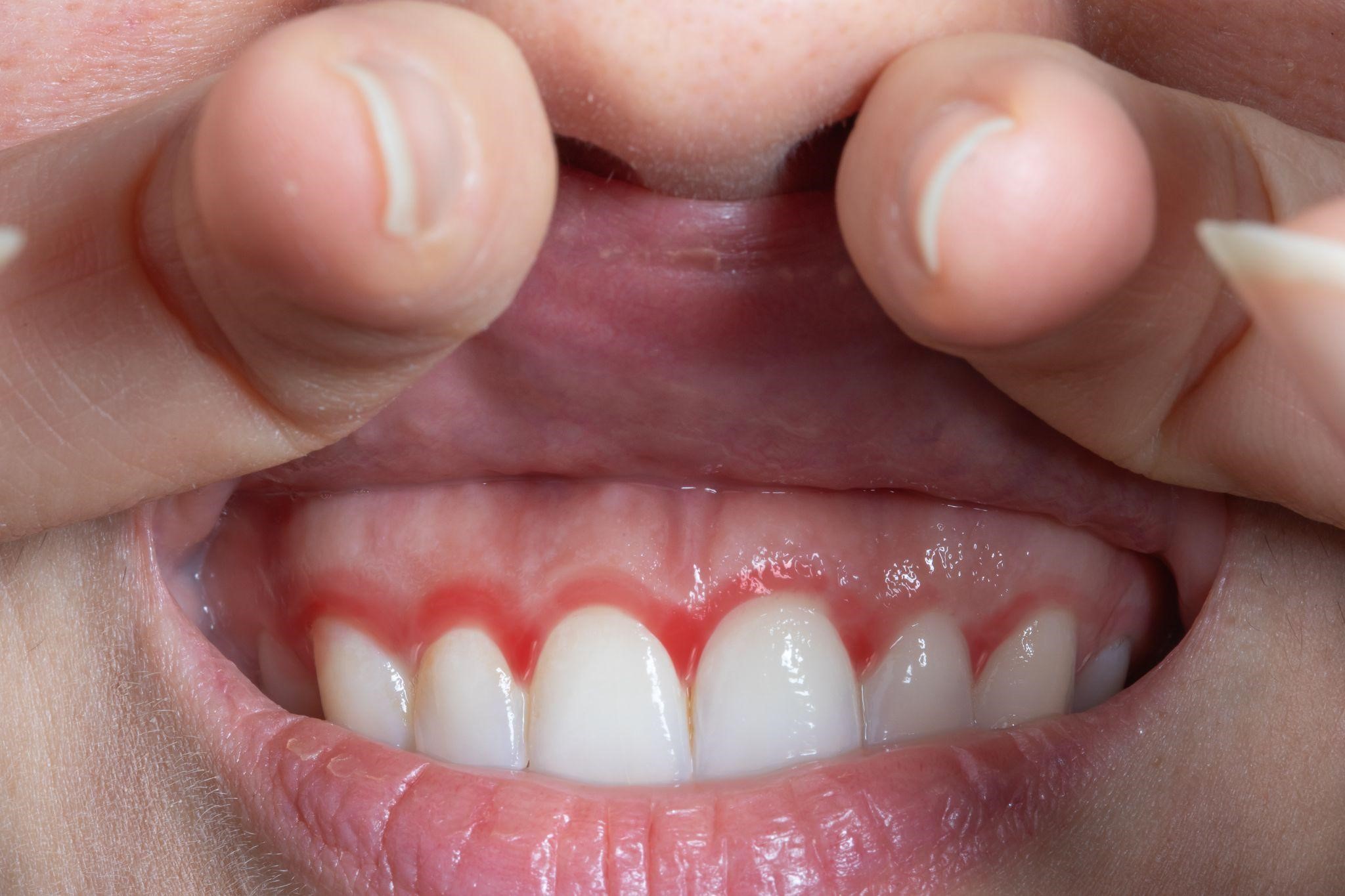
It is an immuno-inflammatory pathology linked to dental biofilm (plaque). It usually starts as gingivitis —reversible inflammation— and, if it progresses, it becomes periodontitis, with loss of insertion and bone around the tooth. In advanced stages, periodontal pockets, mobility, and even tooth loss appear. It is not just an aesthetic issue: it affects chewing, breath, and confidence when smiling.
Attention: periodontitis can advance painlessly in its early stages, hence the importance of regular check-ups.
Symptoms / When to go?
Key points
- Bleeding when brushing or using floss/interproximal brushes.
- Red, inflamed, or receding gums (teeth “longer”).
- Persistent bad breath or bad taste.
- Sensitivity, discomfort when chewing, teeth that move or separate.
If you recognize yourself in one or more of these signs, request an assessment to know the real state of the support of your teeth.
Causes and risk factors
The usual trigger is the accumulation of plaque due to insufficient hygiene. Tobacco, diabetes, age, individual susceptibility, and situations that make hygiene difficult (crowding, irregular restorations…) also influence. Controlling these factors improves the response to treatment and helps maintain the results.
Gums and brain: what science says
A joint report by the Spanish Society of Periodontics (SEPA) and the Spanish Society of Neurology (SEN) states that people with periodontitis have 2.8 times more risk of ischemic stroke and 1.7 times more risk of Alzheimer’s-type dementia, with greater increases in severe cases. The link is explained by chronic inflammation and episodes of bacteremia that favor endothelial dysfunction, prothrombotic state, and neuroinflammation.
External source (single): SEPA–SEN scientific report (PDF)
Periodontitis treatment / Personalized protocol at Clínica Bajo
In periodontics, there are no standard packages. We evaluate each case individually and explain the plan to you clearly, prioritizing your long-term health.
1) First visit and personalized diagnosis
We start with the basics: we listen to you. What you notice, since when, and what worries you. Then we explore calmly and ask for only the tests that provide useful information. In many patients, we record the state of the gums with Florida Probe (computerized periodontal probing) to obtain precise and comparable measurements over time.
2) Explanation of the case and plan
We show you what we see without detours and point out the areas that need attention. From there, we agree on the plan: what we will do first and why, always with realistic objectives and focus on the stability of your gums.
3) Basic treatment, as least aggressive as possible
With mini-instruments and minimally invasive techniques, we clean deeply below the gum. We seek to reduce bacteria and inflammation with the greatest efficacy and the least trauma.
4) If necessary, advanced therapies
When the diagnosis indicates it, we propose periodontal microsurgery in specific areas to restore tissues. We perform it with a microscope and microsurgery materials, which provides precision and a more bearable postoperative period.
5) Periodontal maintenance tailored to you
The treatment ends, but the care continues. We adjust a check-up program according to your risk level (it is not a “standard cleaning”). In these visits, we check the stability of the gums, reevaluate insertion levels, and refine hygiene at home to avoid relapses; when it is useful, we support the follow-up with microbiological analyses.
Care and recovery
After non-surgical treatment, the usual thing is to resume your routine the same day with simple guidelines: brushing twice a day with fluoridated toothpaste, interdental cleaning adapted to your spaces, and mouthwashes only if they are indicated. If we perform microsurgery, we will give you clear instructions (medication, hygiene of the area, initial soft diet, and tobacco control) for a comfortable recovery.
Contraindications / Precautions
We individualize the protocol according to your health status and medication, and coordinate with your doctor when necessary. Our goal is to treat safely and effectively, always prioritizing your well-being.
Expected results
With good adherence to the plan and maintenance, what is expected is to reduce inflammation, decrease the depth of the pockets, and stabilize the support of the teeth. In advanced cases, the objective is to stop the progression, improve the function, and preserve dental pieces for a longer time. Periodic maintenance is key for the results to be sustained.
FAQ
- Can you give me a quote by phone or email?
No. We prepare the quote after the clinical assessment and the necessary tests. It is the only responsible way to indicate the treatment. - Does the assessment include radiographs?
We indicate only the necessary tests for your case and explain what they are for and when it is convenient to perform them. - How often should I come to maintenance?
It depends on your periodontal risk. The periodicity is adjusted individually (it is not a “cleaning” conventional).
Author: Dr. Reyes Bajo Medical license number: 38/07171
Dentistry license number: 38/00638
Note: The quote is prepared after the clinical assessment and necessary tests.