At Clínica Bajo, we understand how important it is for our patients to take care of their dental health after any dental procedure, especially after a tooth extraction. One of the most common complications that can arise is dental alveolitis. Today we want to explain what it is, how to recognize it, and, above all, how we treat it effectively in our clinic.
What is dental alveolitis?
Alveolitis is an inflammation that affects the dental alveolus, the bony cavity where the tooth was located before being extracted. This condition occurs when the clot that forms in the alveolus is displaced or does not develop properly, leaving the bone exposed.
At Clínica Bajo, we have treated numerous cases of alveolitis, and we know that it can be a painful experience for the patient. The good news is that, with early diagnosis and proper treatment, it is possible to relieve discomfort quickly and prevent complications.
Common symptoms of alveolitis
It is essential to recognize the signs of alveolitis as soon as possible to seek professional attention. Some of the most frequent symptoms are:
- Intense and persistent pain in the area of the extraction, which may radiate towards the jaw or the ear.
- Bad breath or an unpleasant taste in the mouth.
- Visible absence of the clot in the alveolus.
- Slight inflammation in the affected area.
In our experience at Clínica Bajo, patients often describe alveolitis as a pain that does not subside with common analgesics.
What causes alveolitis?
Among the main causes of this condition, we find:
- External factors: such as smoking or consuming beverages with a straw, which can dislodge the clot.
- Inadequate hygiene: neglecting postoperative instructions.
- Previous medical conditions: infections or trauma during extraction.
At Clínica Bajo, we always provide clear instructions to minimize risks after any dental intervention. We know that good postoperative care can make a difference in recovery.
How we treat alveolitis at Clínica Bajo
Our priority is to relieve your pain and promote a quick and safe recovery. Therefore, we follow a personalized approach:
- Cleaning of the alveolus: we eliminate any residue or particle that may be causing irritation.
- Application of medication: we place a medicated dressing that helps protect the area and relieve pain.
- Close monitoring: we monitor your progress to ensure that healing is progressing correctly.
Thanks to our experience in specialized dentistry, at Clínica Bajo we have perfected these techniques to guarantee optimal results in each case.
How to prevent alveolitis
At Clínica Bajo, we firmly believe in prevention. Here are some recommendations to reduce the risk of developing alveolitis:
- Follow your dentist’s instructions to the letter after the extraction.
- Avoid smoking, at least during the first few days.
- Do not use straws to drink.
- Maintain adequate oral hygiene without directly interfering with the treated area.
We make sure to educate our patients about these preventive measures during each consultation.
At Clínica Bajo, we are here for you
If you experience discomfort after a tooth extraction or have symptoms that could indicate socket, don’t wait any longer. At Clinica Bajo we have the resources and experience necessary to treat this condition effectively. Make your appointment at Clínica Bajo and trust a team that cares about your dental health from the first moment. We’re here to help you get your smile back on without pain!
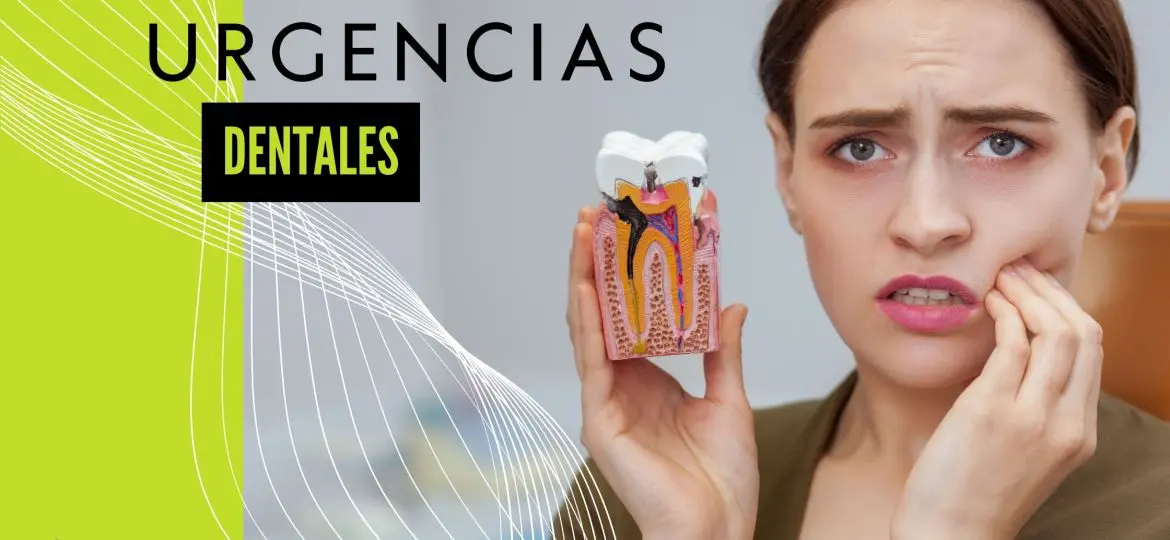
Dental Emergencies in Los Cristianos: Immediate relief for socket
The pain caused by dry socket does not go away with common drugstore painkillers, as the jawbone is fully exposed to bacteria and air. Attempting to apply home remedies to the extraction hole can severely aggravate the infection. At Clínica Bajo we know perfectly well how disabling this process is and we have a rapid action protocol. Our dental emergency team in Los Cristianos will attend you immediately to clean the area painlessly, apply a sedative medical dressing that relieves the pain in minutes and prescribe the appropriate medication. Don’t suffer unnecessarily, call us or come to the clinic right now!