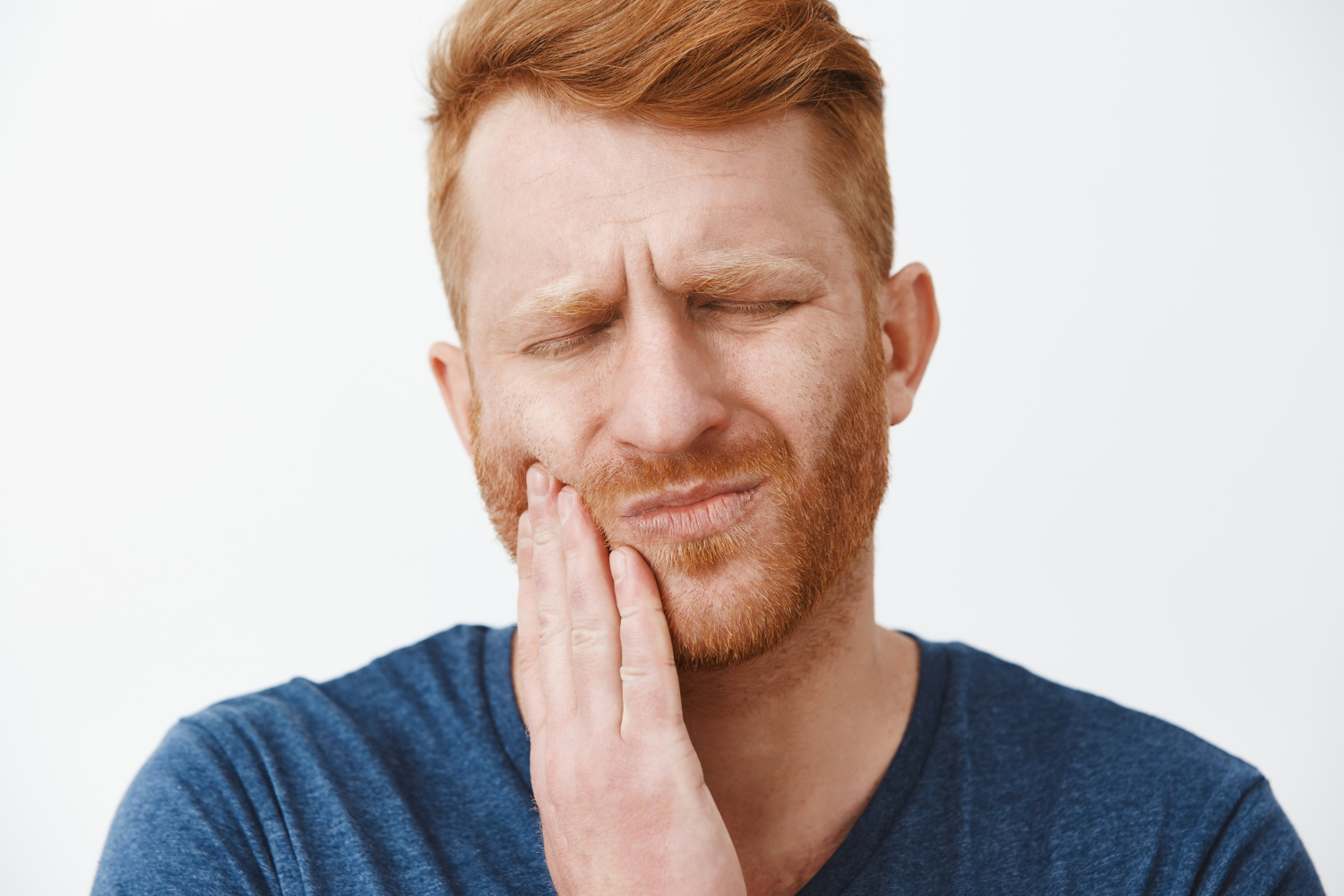
Bruxism treatment in Tenerife: relieve pain and protect your teeth
Bruxism – clenching or grinding the teeth – can wear down the enamel, overload the muscles and disrupt rest. At Clínica Bajo (Los Cristianos, Arona, Tenerife) we offer you a clinical and personalised approach to relieve pain, protect your teeth and improve the quality of sleep. Our goal is to prevent tooth damage and stabilize jaw function with maximum safety.
What is bruxism?
Bruxism is an involuntary activity of the masticatory muscles that occurs while you are awake or, more frequently, during sleep. It usually manifests as clenching or rubbing the teeth for no functional purpose. Over time, it can lead to tenderness, microfractures, jaw pain, tension headaches, and joint sounds. The intensity varies from person to person and can fluctuate depending on the vital moment (stress, changes in routine or rest).
When to go? Symptoms of Bruxism
It is advisable to seek an assessment if you notice jaw stiffness or pain when waking up, pressure headaches, clicking or limitation when opening, tooth sensitivity or visible wear. It is also a reason to consult if your partner perceives a nighttime grinding or that your sleep is not restful. Attending to it in time prevents the progression of wear and allows effective conservative measures to be established, starting with protecting your teeth at night.
Causes and risk factors
Bruxism is multifactorial. Stress and anxiety are common triggers. It is also associated with sleep disturbances, certain medications and stimulants. In children it can appear during stages of development and decrease with age. The presence of orofacial pain, muscle tension, or family history may increase the risk. That is why the plan must be individualized, prioritizing safety and the control of modifiable factors.
Diagnosis
The clinical evaluation includes a detailed history, intraoral examination to detect facets of wear, fractures or tenderness, and palpation of muscles and joints. We evaluated daytime habits and sleep quality to understand the pattern. Depending on the case, dental
Treatment / Steps
Phase 1 — Education and conservative measures.
We start with self-care guidelines: jaw rest during the day, sleep hygiene and stress reduction techniques. These measures decrease muscle activity and complement the rest of the plan.
Phase 2 — Custom-made discharge splint.
The custom night splint protects the enamel, stabilizes occlusion and reduces muscle overload. It is made from your records and
Phase 3 — Addressing associated factors.
If bruxism has caused severe wear or fractures, we assess selective restorations and, where indicated, orthodontic treatment or occlusal rehabilitation. When stress or insomnia act as triggers, we integrate stress management strategies and healthy sleep habits. Occasionally, and according to clinical indication, short-term drugs or complementary therapies may be considered in stubborn cases.
Clinical follow-up.
We schedule check-ups to check the evolution of symptoms, adjust the splint and monitor the condition of teeth and tissues. Maintenance is key to consolidating results and preventing relapses.
Care and recovery
Use the splint as we instruct, clean it daily with water and neutral soap and store it dry in its ventilated case. Avoid biting hard objects if there is sensitivity, perform gentle stretching of the muscles if you are prescribed them and maintain regular sleep schedules. With these measures, most patients perceive relief within weeks and continue to improve with follow-up.
Contraindications / Precautions
Before ordering any device, we confirm the diagnosis and review your periodontal and dental health. If you have severe pain, limited opening, ongoing treatments or suspected sleep disorder, we will adapt the strategy and, if necessary, coordinate with other specialties. Indication, professional adjustment and periodic control of the splint are essential to avoid discomfort or interference with other treatments.
Expected results
With a phased plan and revisions, the usual thing is to reduce pain, improve jaw function and protect the enamel. Bruxism is managed in the medium to long term: we seek to minimize episodes, prevent dental damage and stabilize the joint, without promising absolute cures. The combination of splinting, healthy habits, and follow-up offers the greatest clinical benefit.