

Jaw and TMJ pain

Jaw and TMJ pain (Temporomandibular disorders) in Tenerife: regain function and relieve pain

What is the treatment of jaw and TMJ pain?

When we talk about “jaw and TMJ pain” we are referring to temporomandibular disorders (TMD): problems that affect the temporomandibular joint and the muscles involved in chewing. They usually cause pain, clicking, blocking, or limiting the mouth opening. At Clínica Bajo we address these cases in a comprehensive way, combining clinical evaluation, complementary tests and an individualized treatment plan aimed at improving function and reducing pain with maximum safety. (Overview based on current clinical definitions of TMD)

When to go / symptoms?

Ask for an assessment if you notice one or more of these signs: pain or tenderness in the jaw, pain in front of the ear, joint noises (clicking or crackling), difficulty or pain when chewing, blockage when opening or closing the mouth, frequent headaches associated with jaw tension or a heavy neck. If the symptoms persist, are intense or affect your diet and rest, a check-up is advisable to rule out joint damage and prescribe treatment. At Clínica Bajo (Arona–Los Cristianos, Tenerife) we guide you from the first visit with a clinical and prudent approach.

Causes and risk factors

Common: muscle overload (clenching or bruxism), occlusal imbalances, sustained stress, repetitive microtraumas (postural habits), hypermobility.
Less common: direct trauma to the jaw, internal alterations of the articular disc, arthritis or degenerative processes, sequelae of previous treatments or malformations. Each case may have more than one factor involved, so the medical history and examination are key to prioritizing what to treat first.

Diagnosis (tests and criteria)

The diagnosis begins with a clinical examination of the joint and masticatory muscles, assessment of opening, joint noises and painful points. Depending on the case, we can indicate dental x-rays to see teeth and jaw; CT/CBCT to study bone components in detail; and MRI when we need to analyze the disc and soft tissues. Occlusal recordings, photometry and, if appropriate, an orthodontic study may also be helpful. The goal is to confirm the type of disorder, its severity, and the therapeutic priority.

Treatment / Steps

Our plan is in phases, adapted to your clinical situation:

  1. Conservative measures and patient education. Recommendations for habits, jaw ergonomics, joint rest guidelines and stress control.
  2. Customized occlusal splints (when indicated) to relieve the joint and musculature, and protect the teeth if there is clenching.
  3. Supportive drugs in limited periods (analgesics/anti-inflammatories, muscle relaxants under medical criteria).
  4. Orofacial physiotherapy/therapeutic exercises: mobility work and specific stretching, supervised.
  5. Associated dental treatments, if applicable: selective occlusal adjustment, orthodontics to correct malocclusions, restorations or prostheses when pieces are missing and condition the bite.
  6. Advanced options (minimally invasive or surgical) are considered only if conservative therapies fail and the diagnosis supports it, after referral and joint study.

Most patients improve with well-prescribed conservative measures; Invasive options are reserved for selected cases.

Care and recovery

Joint protection habits are usually indicated (avoid opening to the maximum, forced yawns and very hard or sticky foods), local heat techniques for muscles, sleep hygiene, gentle mobility and stretching exercises , and monitoring of splint use if prescribed. Periodic monitoring allows the plan to be adjusted, medication to be reduced when appropriate and functional improvement to be consolidated.

Contraindications / Precautions

Any severe pain, sudden blockage, recent facial trauma, or suspected systemic pathology requires priority assessment. The use of medication is limited and personalized based on medical history. Invasive techniques are only considered after failure of conservative therapies and with a clear diagnosis; are not the front line in uncomplicated TTMs. If you are pregnant, on anticoagulant treatment or have rheumatological diseases, we will take this into account before indicating tests or therapies.

Expected (realistic) results

With a conservative and well-monitored approach, it is common to reduce pain and improve openness and function in weeks to a few months, depending on the starting point and adherence to the guidelines. When there are perpetuating factors (sustained stress, nocturnal bruxism, occlusal alterations), maintenance and periodic check-ups help prevent relapses. We do not promise immediate results; We work with realistic and measurable objectives at each stage.

Frequently Asked Questions

Can you give me a quote by phone or email?
No. We prepare it after the clinical assessment and the necessary tests, because each case is different.

Does the assessment include X-rays?
Your specialist decides which tests are needed for your diagnosis (X-rays, CT/CBCT or MRI if appropriate).

Why don’t you publish prices?
Because no two TTMs are the same. We stand for personalized diagnosis and clinical safety.
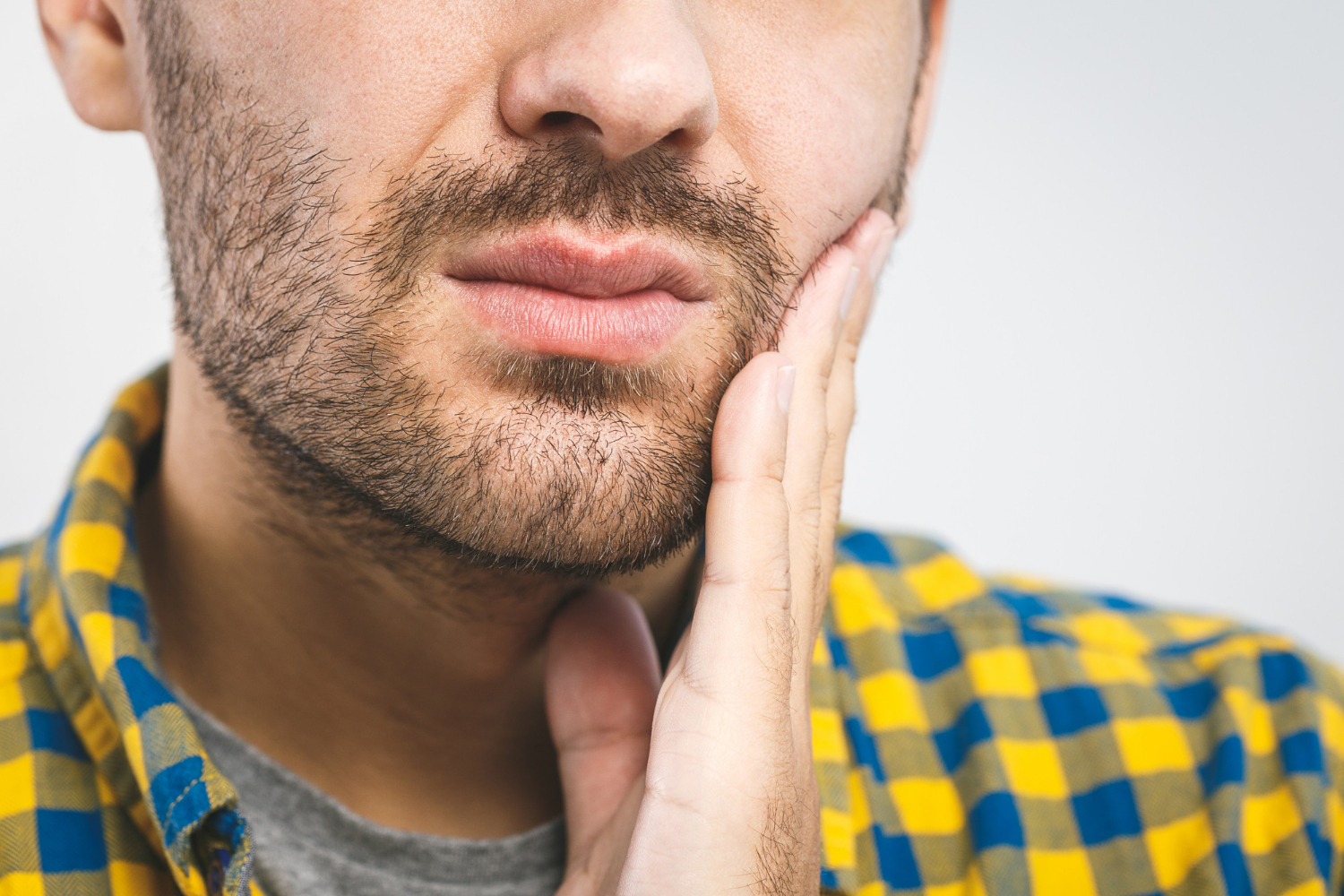
Jaw and TMJ pain (Temporomandibular disorders) in Tenerife: regain function and relieve pain

What is the treatment of jaw and TMJ pain?

When we talk about “jaw and TMJ pain” we are referring to temporomandibular disorders (TMD): problems that affect the temporomandibular joint and the muscles involved in chewing. They usually cause pain, clicking, blocking, or limiting the mouth opening. At Clínica Bajo we address these cases in a comprehensive way, combining clinical evaluation, complementary tests and an individualized treatment plan aimed at improving function and reducing pain with maximum safety. (Overview based on current clinical definitions of TMD)

When to go / symptoms?

Ask for an assessment if you notice one or more of these signs: pain or tenderness in the jaw, pain in front of the ear, joint noises (clicking or crackling), difficulty or pain when chewing, blockage when opening or closing the mouth, frequent headaches associated with jaw tension or a heavy neck. If the symptoms persist, are intense or affect your diet and rest, a check-up is advisable to rule out joint damage and prescribe treatment. At Clínica Bajo (Arona–Los Cristianos, Tenerife) we guide you from the first visit with a clinical and prudent approach.

Causes and risk factors

Common: muscle overload (clenching or bruxism), occlusal imbalances, sustained stress, repetitive microtraumas (postural habits), hypermobility.
Less common: direct trauma to the jaw, internal alterations of the articular disc, arthritis or degenerative processes, sequelae of previous treatments or malformations. Each case may have more than one factor involved, so the medical history and examination are key to prioritizing what to treat first.

Diagnosis (tests and criteria)

The diagnosis begins with a clinical examination of the joint and masticatory muscles, assessment of opening, joint noises and painful points. Depending on the case, we can indicate dental x-rays to see teeth and jaw; CT/CBCT to study bone components in detail; and MRI when we need to analyze the disc and soft tissues. Occlusal recordings, photometry and, if appropriate, an orthodontic study may also be helpful. The goal is to confirm the type of disorder, its severity, and the therapeutic priority.

Treatment / Steps

Our plan is in phases, adapted to your clinical situation:

  1. Conservative measures and patient education. Recommendations for habits, jaw ergonomics, joint rest guidelines and stress control.
  2. Customized occlusal splints (when indicated) to relieve the joint and musculature, and protect the teeth if there is clenching.
  3. Supportive drugs in limited periods (analgesics/anti-inflammatories, muscle relaxants under medical criteria).
  4. Orofacial physiotherapy/therapeutic exercises: mobility work and specific stretching, supervised.
  5. Associated dental treatments, if applicable: selective occlusal adjustment, orthodontics to correct malocclusions, restorations or prostheses when pieces are missing and condition the bite.
  6. Advanced options (minimally invasive or surgical) are considered only if conservative therapies fail and the diagnosis supports it, after referral and joint study.

Most patients improve with well-prescribed conservative measures; Invasive options are reserved for selected cases.

Care and recovery

Joint protection habits are usually indicated (avoid opening to the maximum, forced yawns and very hard or sticky foods), local heat techniques for muscles, sleep hygiene, gentle mobility and stretching exercises , and monitoring of splint use if prescribed. Periodic monitoring allows the plan to be adjusted, medication to be reduced when appropriate and functional improvement to be consolidated.

Contraindications / Precautions

Any severe pain, sudden blockage, recent facial trauma, or suspected systemic pathology requires priority assessment. The use of medication is limited and personalized based on medical history. Invasive techniques are only considered after failure of conservative therapies and with a clear diagnosis; are not the front line in uncomplicated TTMs. If you are pregnant, on anticoagulant treatment or have rheumatological diseases, we will take this into account before indicating tests or therapies.

Expected (realistic) results

With a conservative and well-monitored approach, it is common to reduce pain and improve openness and function in weeks to a few months, depending on the starting point and adherence to the guidelines. When there are perpetuating factors (sustained stress, nocturnal bruxism, occlusal alterations), maintenance and periodic check-ups help prevent relapses. We do not promise immediate results; We work with realistic and measurable objectives at each stage.

Frequently Asked Questions

Can you give me a quote by phone or email?
No. We prepare it after the clinical assessment and the necessary tests, because each case is different.

Does the assessment include X-rays?
Your specialist decides which tests are needed for your diagnosis (X-rays, CT/CBCT or MRI if appropriate).

Why don’t you publish prices?
Because no two TTMs are the same. We stand for personalized diagnosis and clinical safety.