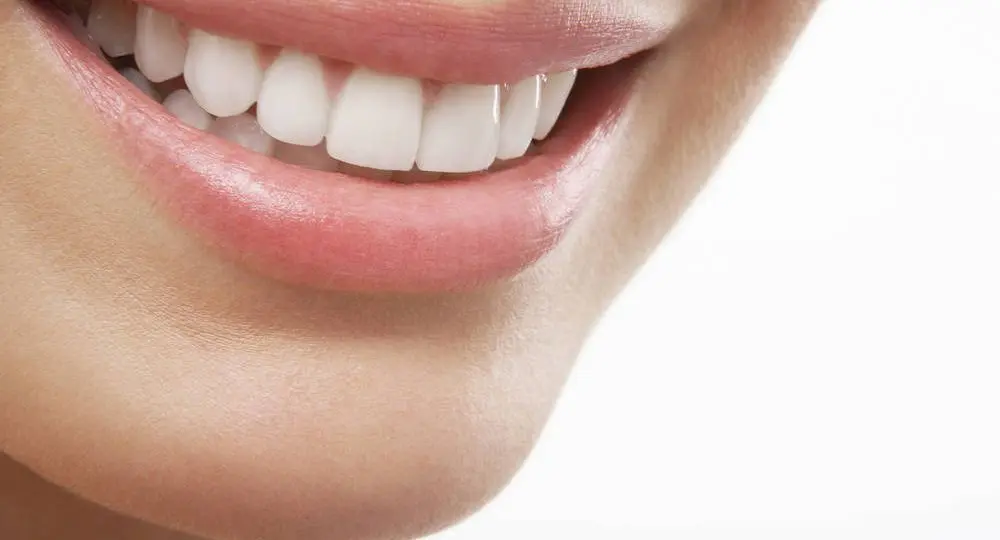
We often associate tooth colour with oral health, but one does not always determine the other. Natural teeth are not usually a uniform, brilliant white; that appearance is largely a cosmetic ideal.
Healthy teeth can have subtle grey, brown or yellow tones. A completely white, highly reflective appearance is not a requirement for good oral health. Genetics also influence tooth colour.
Colour varies considerably between people and even between teeth in the same mouth. The dentine beneath the enamel plays an important role in the shade we see.
Why can tooth colour change?
Teeth can develop stains or change colour over time. Several factors can contribute, and not all are directly related to hygiene. Three common categories of discolouration are:
Extrinsic staining
The outer enamel surface can become stained by foods and drinks such as black tea, red wine and coffee. Tobacco use can also contribute.
Intrinsic discolouration
Changes within the tooth can affect its shade. Possible causes include certain tetracycline antibiotics during tooth development, dental trauma or excessive fluoride exposure while teeth are forming.
Age-related changes
Over time, a combination of external staining and internal changes can alter the colour of the teeth.
Regular dental check-ups help identify any changes that need attention. At Clínica Dental Bajo, your dentist in Los Cristianos, our professional team is here to advise you.